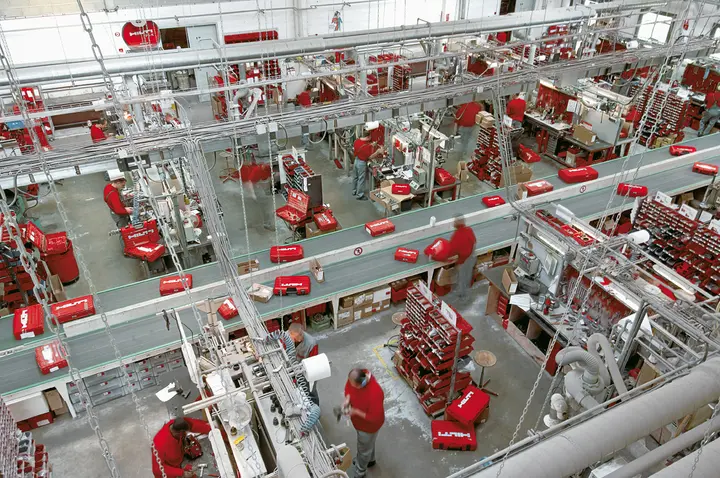
What is logistics optimisation?
Logistics optimisation involves improvements to a company's logistics processes. Its aim is to
- reduce costs
- shorten delivery times
- increase the quality of services
Rapp carries out this optimisation through the implementation of various measures. We analyse the processes intensively and professionally to identify bottlenecks and inefficient workflows. Because weak points must first be recognised before they can be eliminated and efficiency can be improved.
One of the most effective solutions for logistics optimisation is software integration. Warehouse management systems (WMS) and transport management systems (TMS) make it easier for those responsible to maintain an overview and make important decisions.
A WMS is a software solution that enables a company to maintain a real-time overview of its entire warehouse stock. It makes the entire supply chain traceable, from the distribution centre to the shop shelf. The WMS also makes it possible to coordinate material flow and resource utilisation.
A TMS is used to plan and optimise a company's transport processes, primarily the planning of freight and routes. The TMS provides information on trade regulations in the transit and destination countries and facilitates the documentation of transport operations. The use of software in logistics helps to increase efficiency and reduce costs.
Rapp's logistics optimisation also includes testing and introducing environmentally friendly practices, enabling companies to minimise their ecological footprint.
How does Rapp help companies to optimise their logistics?
Rapp takes a holistic approach to optimising its customers' logistics. An interdisciplinary team implements measures that include analysing and documenting all of the company's logistics processes. These measures reliably identify bottlenecks which can then be eliminated.
Rapp also develops strategies for demand planning. Our assistance in optimising procurement increases customer efficiency.
We also provide support in the implementation of logistics systems so that our customers use cost-optimised warehouse, transport and picking systems that meet their requirements. In addition, we develop efficient solutions for returns management as well as planning and efficiently executing company relocations.
Rapp's work has always involved finding the best solutions in terms of nature conservation and sustainability. We design solutions for returns and the efficient disposal of materials and support environmental practices through the implementation of ISO 14001.
We also provide support in the introduction oflean manufacturing, which aims to achieve optimum results with as few resources as possible. This avoids waste and also saves money.
Rapp's logistics planning is manufacturer neutral, ensuring that supplier selection is based exclusively on the customer's individual needs.
What are the benefits of professional operational optimisation?
Rapp's professional operational optimisation helps to reduce costs by identifying and eliminating inefficient processes in a company and thus helping to increase efficiency. Optimised processes lead to better use of resources and increased productivity.
Operational optimisation also serves to increase the quality of products or services, resulting in greater customer satisfaction and strengthening the company's image.
Optimising a company’s operations also helps to give it a competitive edge. This enables it to react to market changes with flexibility and adapt quickly to new market requirements.
Which industries benefit from operations and logistics optimisation?
Efficient processes and optimised workflows are an advantage in almost every industry, which is why Rapp recommends operational optimisation or logistics optimisation for companies in many areas. It is particularly recommended for companies in the following sectors:
- Manufacturing: for optimised production processes, material flows and efficient warehousing.
- Retail: companies benefit from improvements in inventory management, supply chains, returns management, etc.
- Food: for the correct storage, transport and distribution of perishable goods.
- Health care: for the efficient management of medicines and medical devices.
- Automotive: for the optimisation of supply chains, just-in-time deliveries and warehousing.
- Logistics: for improved planning and execution of warehouse services.
- Construction: for optimised material procurement, storage and distribution to different construction sites.
Each industry has its own requirements and challenges. Rapp's operational and logistics optimisation services provide companies with targeted and individual support.