Rapp AG

Main navigation

  • Range of services
    • To Overview
    • General Planning & Construction Management
      • Construction Management
      • General Planning
    • Operations & Logistics
      • Site development and potential analysis
      • Works and logistics planning
      • Operations and logistics optimisation
      • Transport management
      • Lift planning and optimisation
    • Architecture & Site Planning
      • Coordination of project developments
      • Architecture
      • Site traffic and parking
    • Infrastructure & Environment
      • CAD and GIS site documentation
      • Surveying
      • Plant Pipelines, Pipeline Construction
      • Water & Wastewater
      • Deconstruction and remediation
      • Environment
      • General & Industrial Civil Engineering
      • Bridges & Engineering Structures
      • Traffic and Transport Systems
    • Supporting Structures & Specialists
      • Support Structures
      • Construction Logistics
      • Building Physics and Acoustics
      • Fire Protection
      • Safety and Security
      • Building Simulation
      • Relocation Management
    • Mobility & Transport
      • Mobility Services and New Mobility
      • Traffic Planning
      • Telematics for Traffic and Transport
      • Consultancy on public transport
      • Freight transport consulting and planning
      • Mobility and noise protection South Germany
    • Energy Management
      • Private consumption community (ZEV)
      • Consumption data management
      • Energy and water measuring systems
    • Energy Systems
      • Energy concepts
      • Photovoltaics and eMobility
      • Energy and resource efficiency
    • Integral Services
      • Sustainable Planning & Construction
      • Virtual Design and Construction (VDC)
  • References
  • Stories
  • Who we are
    • To Overview
    • Management
    • Team
    • Key Figures
    • History
    • Our commitment
      • Sustainability Strategy
      • Social Responsibility
      • Promoting the next generation
      • Partnerships
      • Development cooperation
    • Locations and contact
    • Porträt 2025
  • Careers

Meta Navigation

  • Jobs
  • News
  • DE
  • EN
  • FR
  • IT
  • RT-Stories-CityMaut-MobilityPricing-00
    © Bikeworldtravel / shutterstock.com

Breadcrumb

  1. Home
  2. Stories
  3. City toll and mobility pricing

City toll and mobility pricing

Control instruments for congested city centres

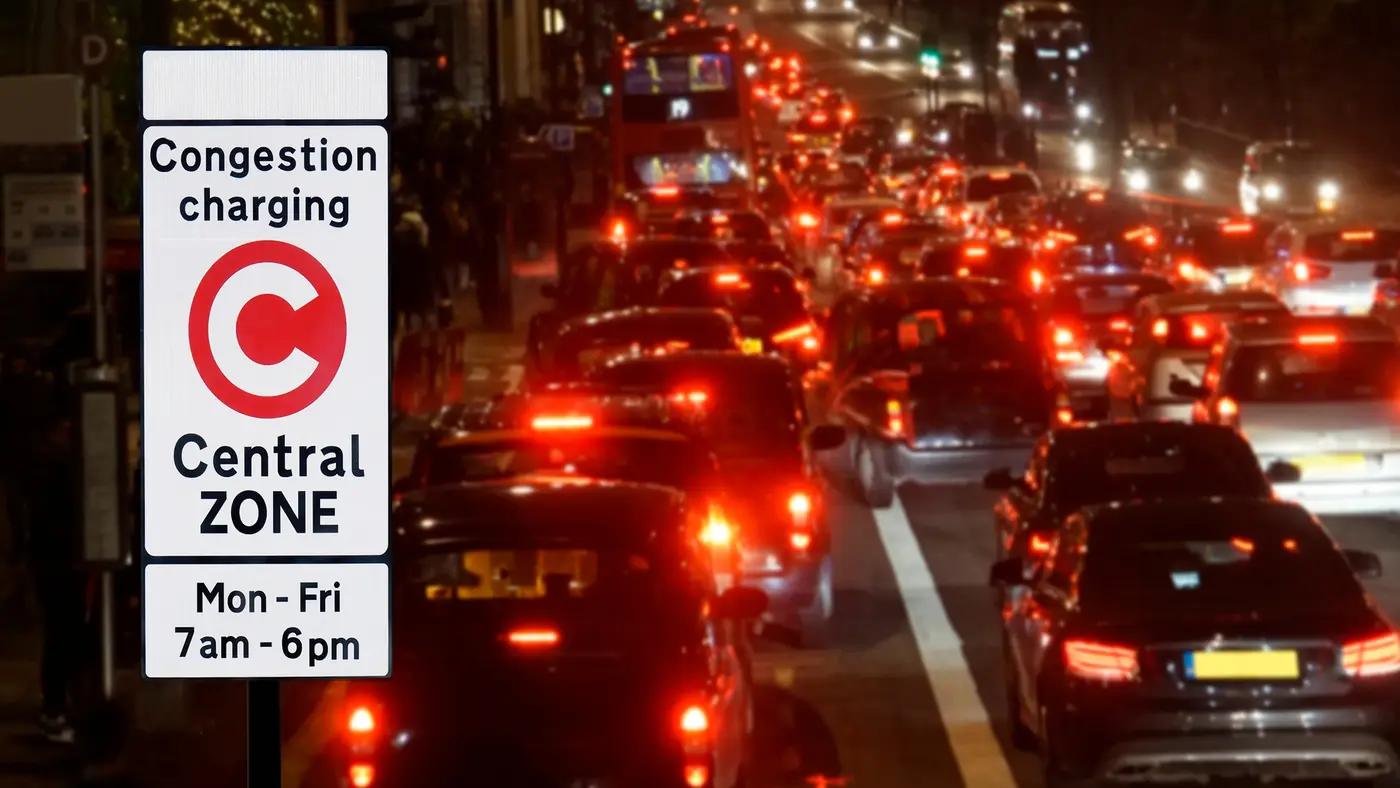
Condensed city centres are under ever-increasing traffic pressure. Increasing mobility needs are being met by an infrastructure that can hardly be expanded. The consequences are clear: congestion, noise, reduced quality of life and pollution for people and the environment. Cities are therefore looking for reliable, effective instruments to not only monitor traffic, but to actively control it. Two models are at the centre of this: congestion charging and mobility pricing. Both approaches start where they have the greatest impact - on demand.

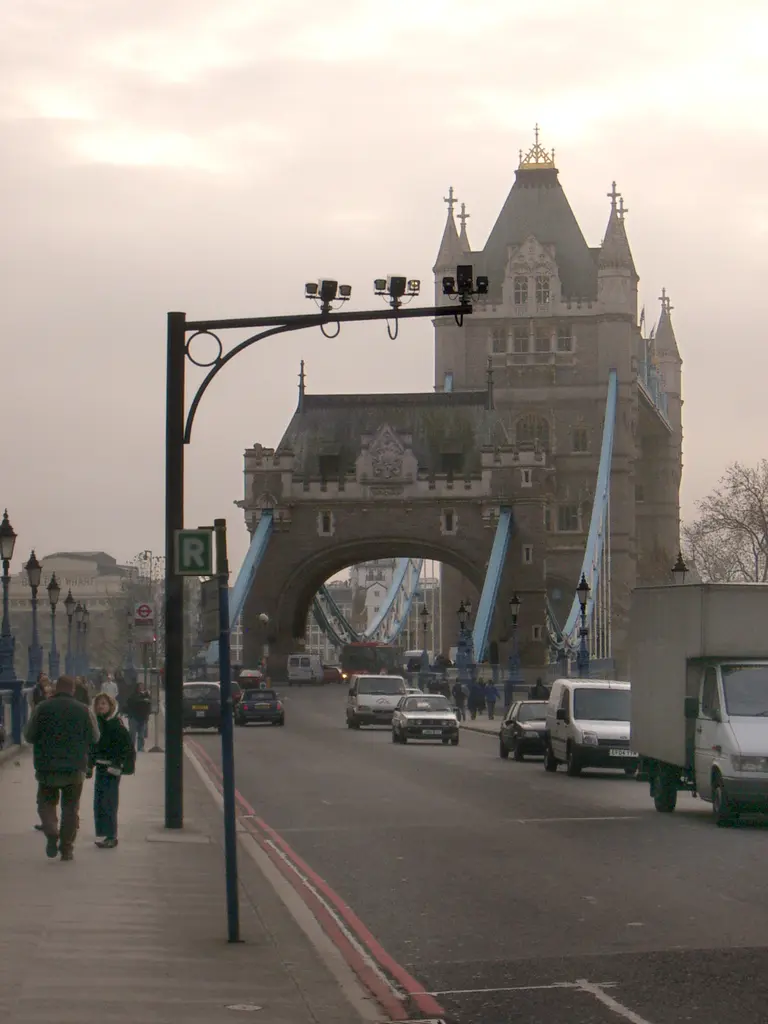
The congestion charge works via charges in urban areas. It creates targeted incentives to generate less traffic during peak times and to switch to public transport. The experience of European cities shows that this works. However, a careful introduction is crucial: pilot phases make it possible to measure the effects, build acceptance and adapt the systems to local conditions. Cities such as Stockholm and London have laid the foundations for broad political support in precisely this way.

TowerBridge Mobility Pricing

Congestion charging technology trials in 2006 in London

Technology trials of the congestion charge in London in 2006
Mobility pricing goes further and involves all road users. The principle is simple: those who use the infrastructure pay a share of the costs in line with the polluter-pays principle. This makes mobility more transparent, demand is distributed throughout the day and existing space is utilised more efficiently. This is a key advantage for cities with scarce infrastructure - mobility becomes controllable without taking up new space.

Jesper Engdahl, transport specialist at Rapp, has analysed international systems in detail. His analysis is clear: "The observed effects of 16 congestion charging systems show clear and sustainable reductions in traffic volumes."

Many cities record long-term reductions of over ten per cent during operating hours - a figure that makes a big difference in densely built-up city centres.

Why impact and acceptance go hand in hand

The introduction of such models remains politically challenging. It requires transparent objectives, clear communication and a reliable data basis. This is precisely where the importance of a step-by-step approach becomes apparent: pilot phases reduce fear of contact, make effects visible and enable adjustments to be made before regular operation begins. In Stockholm, this approach convinced even very critical groups - an example of how evidence creates trust.

rt-engdahl-jesper-2.jpg

The sustained reductions in traffic volumes show that intelligent control instruments are not just theory, but work in everyday life.

Jersper Engdahl, Head of Intelligent Transport Systems

For cities, this means that with the right framework conditions, congestion charging and mobility pricing can make a tangible contribution to a better quality of life, better air quality and a more efficient traffic flow. Both instruments strengthen public spaces, support public transport and ensure a fairer distribution of costs - key building blocks for sustainable mobility.

Back to overview

Contact us:

  • rt-engdahl-jesper-2.jpg

    Jesper Engdahl

    Intelligent Transport Systems Specialist

    Contact Information
    • Email
    • +41 58 595 78 53

Performance areas

  • Traffic Planning

    Designing sustainable, economic, efficient and safe traffic systems for the future is a comprehensive responsibility for traffic planning that we are happy to take on.

    Read more
  • Telematics for Traffic and Transport

    We are committed to making the best possible use of roads as a limited resource through state-of-the-art technologies.

    Read more

Contact us:

+41 58 595 77 77 info@rapp.ch

Social Links

Rapp AG

Hochstrasse 100
Postfach
4002 Basel
Switzerland

Downloads

Zur Übersicht
  • Internship at Rapp
  • VHKA Sample Invoice Consumption Share
  • VHKA Sample Invoice Per Franc
  • VHKA Sample Invoice Per Mille

Footer

  • Legal notice
  • Data Protection Declaration
  • Cookie-Einstellungen
  • © 2026 Rapp AG Basel
Rapp AG
  • Range of services
    • To Overview
    • General Planning & Construction Management
    • Operations & Logistics
    • Architecture & Site Planning
    • Infrastructure & Environment
    • Supporting Structures & Specialists
    • Mobility & Transport
    • Energy Management
    • Energy Systems
    • Integral Services
  • References
  • Stories
  • Who we are
  • Careers

Meta Navigation

  • Jobs
  • News
  • DE
  • EN
  • FR
  • IT