«Street Credibility»
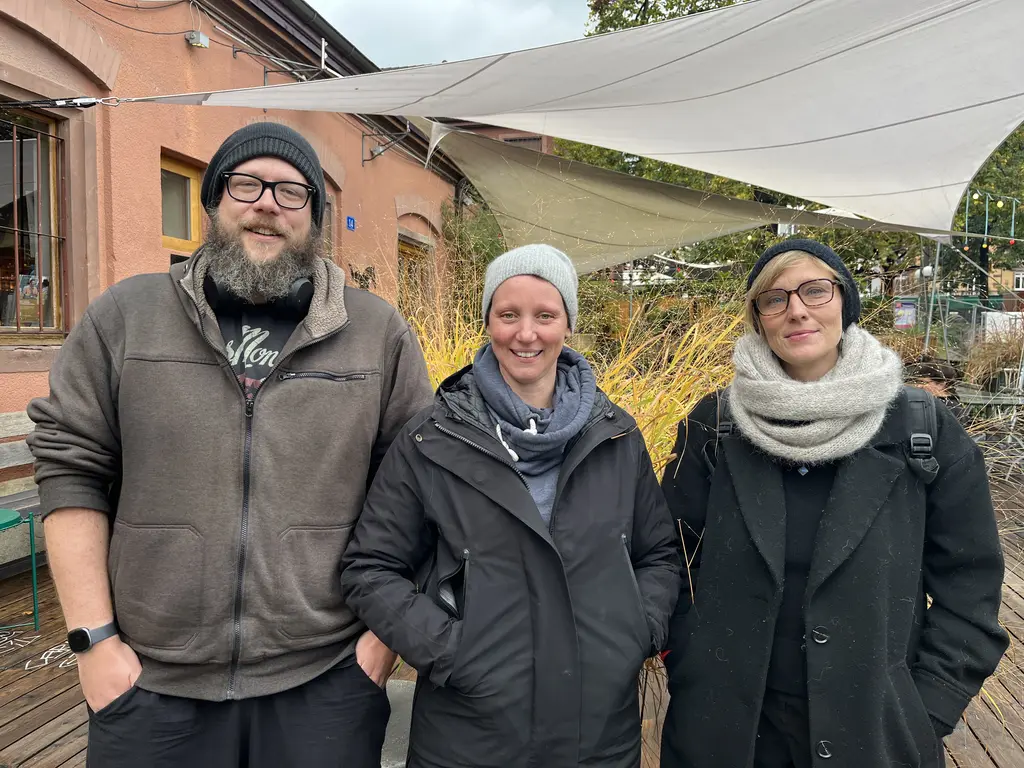
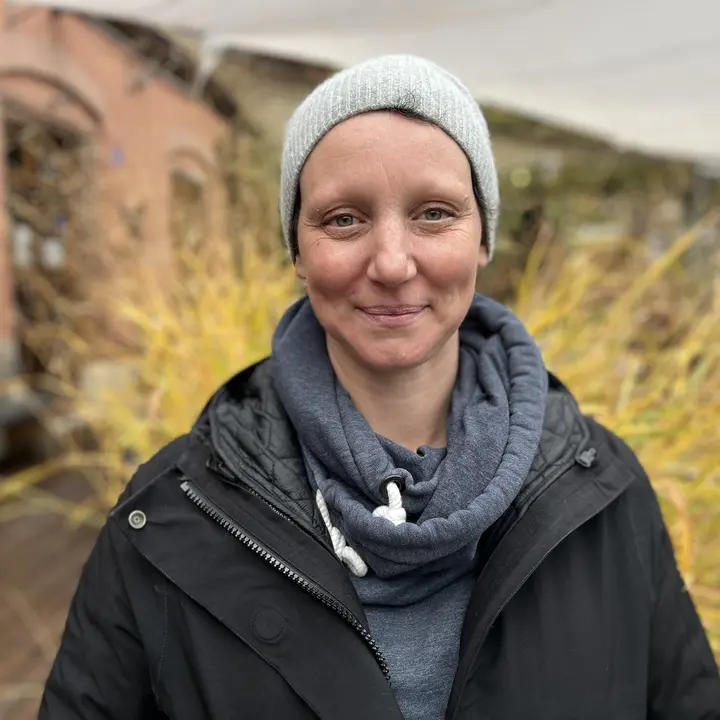
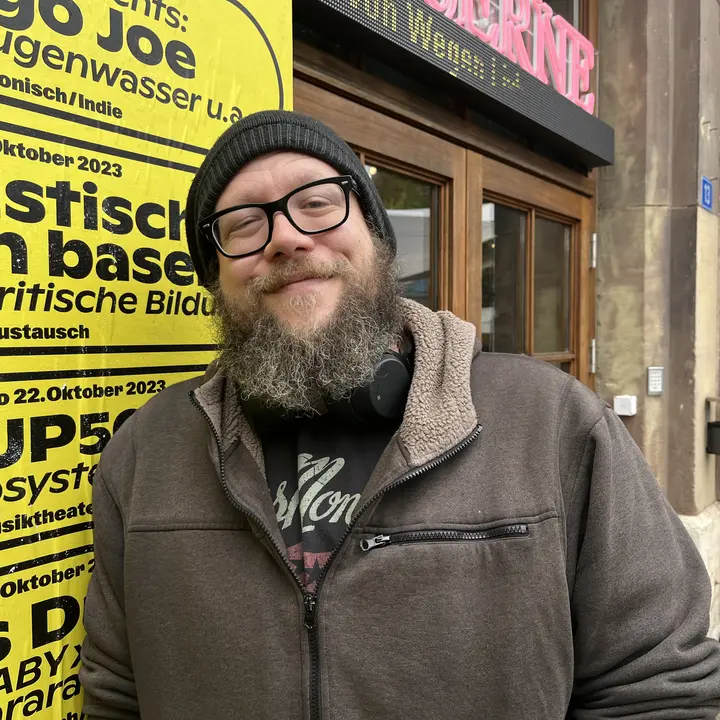
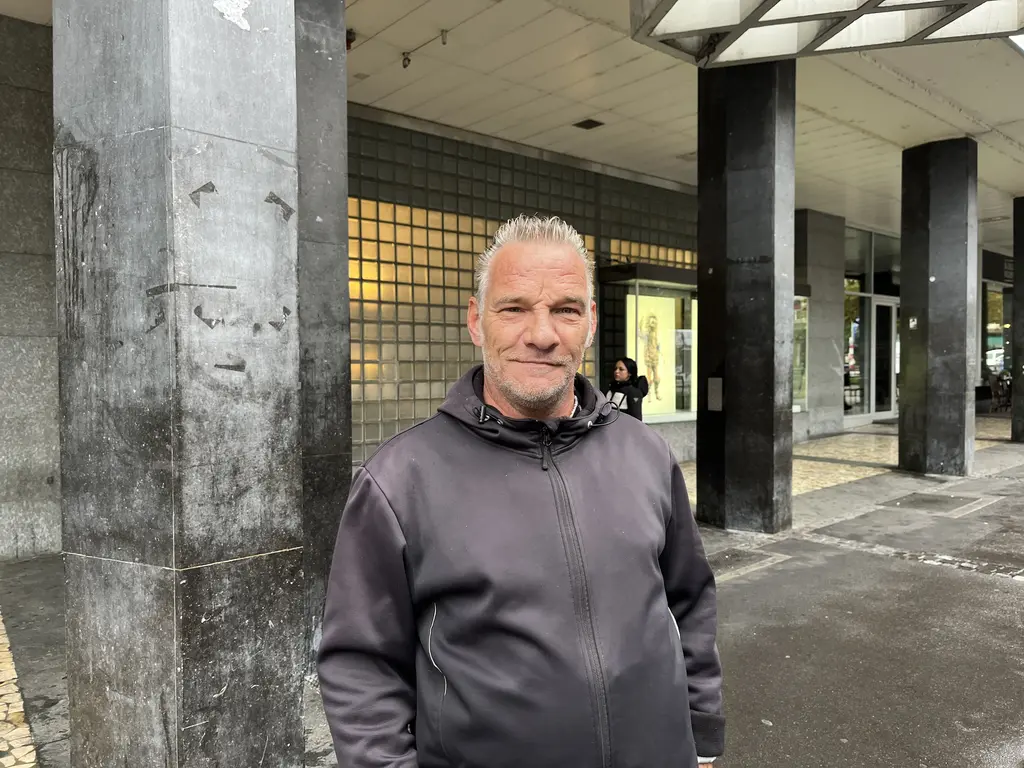
"You have to like the people," says Adriana. A basic requirement for outreach work. And yes, you have to get involved in the work on the street. You learn to deal with people, she says, but also to distance yourself from them so that the situations don't consume you. You need a lot of "street cred". "People soon realise whether we're credible or not," states Manuela Jeker emphatically. There's a wide span between being empathetic and setting boundaries. "Building a relationship is key." Especially for people who are new to living in public spaces. Manuela talks about a 30-year-old woman: within a few weeks, you wouldn't have known her for the same person. "The people who come to us are often already in a precarious situation, and once on the street they deteriorate very quickly, both physically and mentally."
Established as a specialist centre
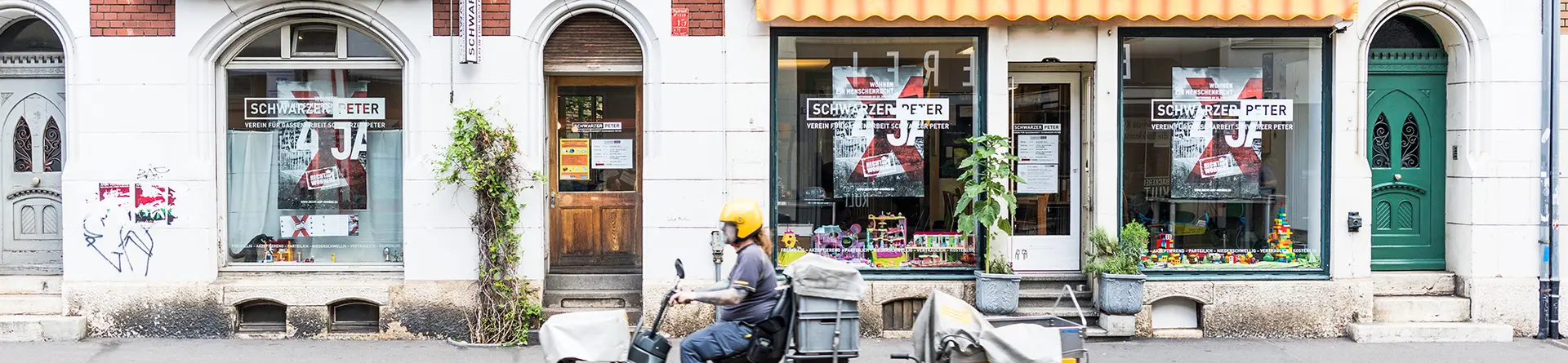
But the street workers are not just important contacts for their direct clientele. They are also in regular contact with the Basel authorities, in particular with the residents' registration office, the social welfare office and the police. "Homelessness is not recorded by the authorities," explains Adriana Ruzek. For this reason, a registration centre was set up in consultation with the residents' registration office. "Around 350 people are currently registered with us so that they can receive letters and other correspondence." The prerequisite: the people must have been living in Basel already. The two co-directors describe their collaboration with the authorities as exemplary. Likewise with the police. They both stress that "this increases mutual understanding". At all events, the association has established itself as a professional centre in the 40 years of its existence. The street workers' opinion is frequently called on. For example, at the most recent round table on drugs. "The drug scene is spreading again at Matthäusplatz." A strain on the neighbourhood and the population, which, as in the 1990s, is seeking a broad consensus in combating the problem.
No regulatory and drug policy
Adriana and Manuela are familiar with this. "A problem arises suddenly that needs to be solved quickly." Even though Schwarzer Peter's work is neither of a regulatory nor of a drug policy nature, "we are regularly approached". Because people who stake their claim on public spaces aren't always viewed positively, Schwarzer Peter can contribute to a joint solution. Manuela Jeker says that experience has shown this, for example in the recent situation with the large number of Romanian beggars. "We are the ones who approach these people and seek dialogue." Schwarzer Peter will therefore still be needed in another five years' time. "The poverty trap is showing signs of increasing, it's impossible to get rid of the drug issue, and there's no remedy for alcohol use," says Adriana Ruzek. The city's socially disadvantaged areas will go on making headlines in the future. "Often under different circumstances," says Jeker. For example, the newly emerged drug scene in the Matthäusquartier or the area at the head of the Dreirosenbrücke, where the dense concentration of people inevitably leads to conflicts of use. Not only are drugs consumed and sold here, but it's also a place where refugees without residence status and unemployed people hang out, passing the time on the benches with cans of beer. In amongst them are people doing gymnastics on the sports equipment, shooting hoops on the basketball court or picnicking on the grass while their children splash around in the pool. "Our job is to build a relationship with the people who use the public spaces," say Manuela Jeker and Adriana Ruzek. This, they say, takes a lot of dialogue. "The issues remain", but agility and prompt answers are needed. Schwarzer Peter is well known for those.